
Start by setting a clear selling goal (top price, fast close, or minimal disruption) and a timeline that fits disclosures, title, and escrow. Price from recent 3–6 month neighborhood comps, adjusting for condition and upgrades. Fix safety and functional issues, document repairs, deep-clean, and boost curb appeal. Stage to highlight light and space, then market with pro photos, video, MLS distribution, and fair-housing compliant ads. Next, you’ll see how to manage showings, compare offers, and negotiate terms.
Key Takeaways
- Set clear sale goals and a realistic timeline, including inspections, disclosures, moving logistics, and net-proceeds estimates for confident decisions.
- Fix safety and functionality issues, complete deferred maintenance, deep-clean, declutter, and boost curb appeal to reduce inspection renegotiations.
- Price using recent local closed comps, adjusting for size, condition, and upgrades, and validate against current active and pending listings.
- Stage for light and space, then use professional photos, accurate listing copy, and MLS-first distribution with video or 3D tours to attract qualified buyers.
- Manage showings and offers with documented procedures, evaluating terms beyond price—financing strength, contingencies, appraisal gap, and closing timeline.
Choose Your Home-Selling Goal and Timeline
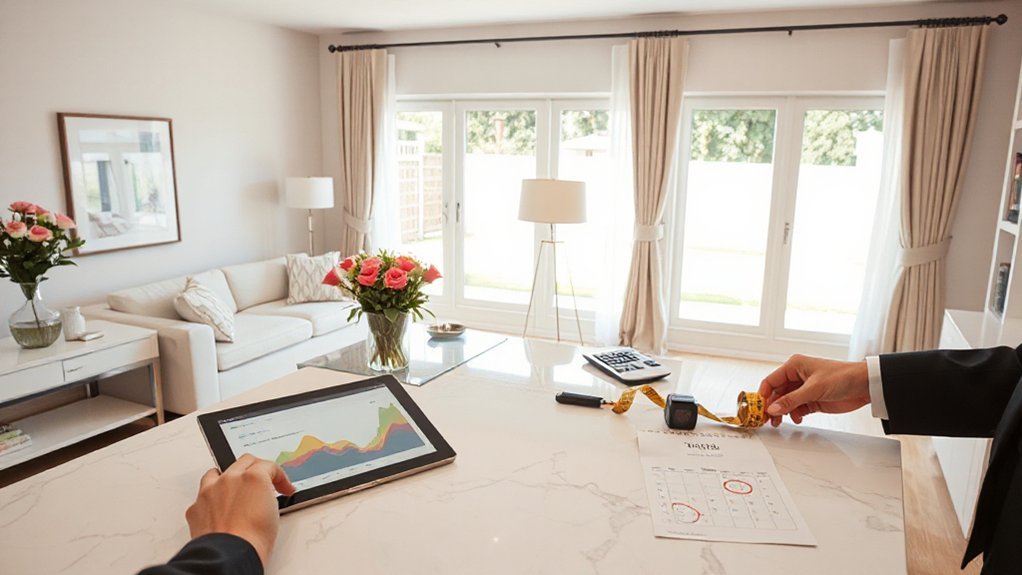
Before you list, define your primary goal—maximum sale price, fastest close, or the least disruption—and set a realistic timeline to match. Your choice drives every next step: how much prep you’ll do, which contingencies you’ll accept, and how flexible you’ll be on showings and possession.
Map backward from your desired closing date and account for lender, title, and escrow timelines, plus any required disclosures in your state. Build a checklist that covers inspections you’ll order, repairs you’ll authorize, and document collection for compliance and smoother underwriting.
Align Moving logistics early—temporary housing, storage, and utility transfers—so you don’t force last‑minute concessions. Pair that with financial planning: estimate net proceeds, payoffs, taxes, and reserves so you can negotiate confidently.
Price Your Home With Local Comps First
Start by identifying recent, truly comparable sales in your neighborhood to anchor your pricing to current market behavior.
Then adjust for differences in size, condition, upgrades, and lot features so you’re not over- or under-valuing your home.
Use those comp-based adjustments to set a data-driven price range that aligns with applicable disclosure and fair-housing requirements and supports your selling timeline.
Identify Comparable Recent Sales
How do you set an asking price that buyers and appraisers will take seriously? Start by identifying comparable recent sales (“comps”) in your immediate area. Focus on closed transactions, not active listings, because closed sales show what the market actually paid.
Pull sales from the last 3–6 months, prioritizing the same neighborhood, school zone, or micro-market when possible. Review list-to-sale ratios, days on market, and concessions to spot pricing trends that can affect buyer expectations.
Use a basic market analysis: compare median sale prices, price-per-square-foot ranges, and the direction of recent closing prices. Confirm your data sources are reliable and current, and document them for lender and appraisal questions.
If inventory is volatile, narrow the timeframe further.
Adjust For Home Differences
Once you’ve pulled solid local comps, adjust them for the specific ways your home differs so your asking price reflects what buyers will actually pay—and what an appraiser can support. Start with objective features: living area, bedroom/bath count, lot size, parking, view, and condition.
Apply paired-sales logic where possible and document your sources so the adjustments are defensible. Account for renovation impacts by separating cosmetic updates from value-driving improvements like roof, HVAC, windows, and kitchens, and by noting permit status and completion quality.
Weigh customization considerations carefully: highly personal finishes can narrow demand, while broadly appealing upgrades typically translate better in resale. Also adjust for time, concessions, and atypical financing.
Keep adjustments consistent across comps to avoid overfitting and minimize pricing risk.
Set Data-Driven Price Range
After you’ve adjusted your best local comps for the ways your home differs, convert those numbers into a defensible price range grounded in recent, nearby closed sales. Prioritize closings from the last 60–90 days within your neighborhood, then bracket low-to-high based on condition, updates, and lot or view premiums.
Validate the range against current actives and pendings so Market trends don’t undermine your assumptions.
Use pricing psychology to position your list price inside the range, not above it: tighter bands reduce buyer uncertainty and improve showing volume. If your market rewards “search-step” pricing, choose a number that captures common filter thresholds without overstating value.
Document your comp set and adjustments for transparency, and avoid guarantees—price reflects available data, not future outcomes.
Prep Your Home: Repairs, Clean-Up, Curb Appeal
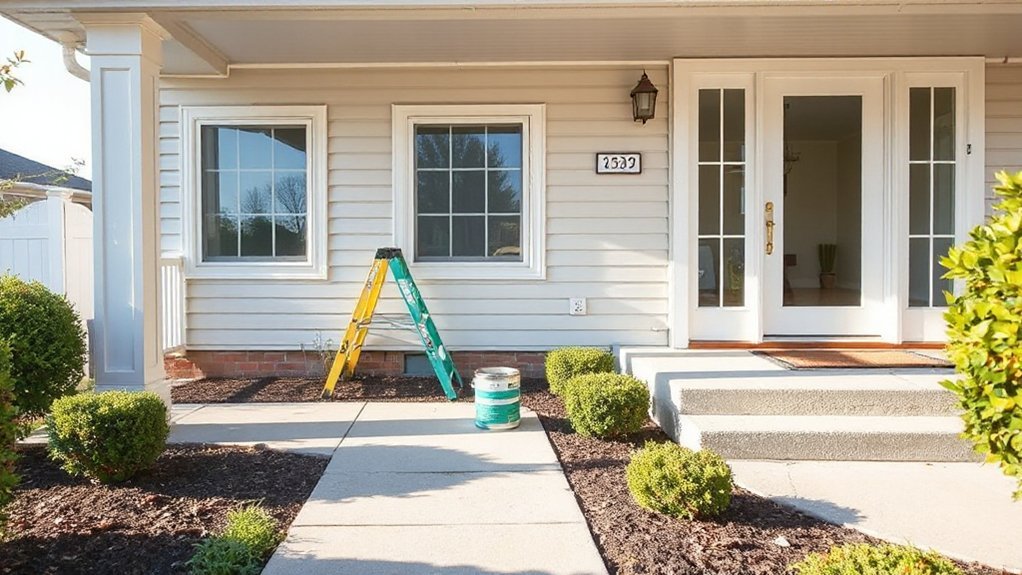
Before you list, prep your home to reduce buyer objections and support stronger offers by addressing visible repairs, completing a thorough clean-up, and boosting curb appeal.
Start with safety and function: fix leaks, sticking doors, cracked tiles, and nonworking lights, and keep permits and invoices where required. Tackle deferred maintenance that signals risk, including roof, HVAC, and plumbing issues, and disclose known defects per local law.
Next, deep-clean floors, grout, windows, and appliances; remove odors; and declutter storage so buyers can verify capacity.
Outside, prioritize Landscaping upgrades like fresh mulch, edging, trimmed shrubs, and a healthy lawn. Consider exterior painting to refresh trim, doors, and faded siding, and repair loose railings or cracked walkways.
These steps help inspections go smoother and reduce price renegotiations.
Stage Your Home for Faster, Higher Offers
To stage your home for faster, higher offers, you’ll start by decluttering and depersonalizing so buyers can picture themselves living there.
Then you’ll highlight space and light by optimizing furniture placement, opening window treatments, and using clean, neutral accents.
Keep changes honest and documented, and avoid staging that could misrepresent the property’s condition or features.
Declutter And Depersonalize
Although you may love your home’s personality, buyers need to picture their own life in it, and that happens faster when the space feels clean, open, and neutral. Start by removing extras from countertops, shelves, and floors, keeping only a few purposeful items that suggest function, not lifestyle.
Pack away personal memorabilia, including photos, awards, and highly specific collections, to reduce distractions and privacy risks during showings. Edit closets and cabinets to a streamlined baseline, then use discreet storage solutions—bins, drawer organizers, and off-site storage if needed—to keep essentials accessible but out of sight.
Aim for a consistent look across rooms so buyers can compare features easily. If you rent storage, confirm contract terms and insurance before move-in.
Highlight Space And Light
When you make space and light the headline features, buyers read your home as larger, cleaner, and better maintained—often within seconds of walking in. Start by opening blinds, cleaning windows, and trimming exterior greenery so Natural illumination reaches deeper rooms.
Then audit your Interior lighting: replace mismatched bulbs with consistent color temperature, add higher-lumen LEDs where corners look dim, and confirm all fixtures work. Use lamps to balance overhead glare and create even, photo-ready brightness.
Pull furniture a few inches off walls, remove oversized pieces, and keep walkways clear so rooms feel breathable. Hang mirrors opposite windows to multiply light, but avoid personal items or safety hazards on ledges.
If you use candles or scents for showings, follow building rules and disclose any known sensitivities.
Market Your Home: Photos, Video, and Distribution
How do you make buyers stop scrolling and book a showing? You invest in professional photos that balance accurate color, straight lines, and strong aesthetic appeal. Use wide angles sparingly so rooms look true-to-scale, and capture key sightlines in consistent daylight. Add short, stabilized video or a 3D tour to support visual storytelling and help buyers pre-qualify interest before they arrive.
Then distribute smartly: publish on the local MLS first for broad agent syndication, and confirm how third-party sites may display or crop images. Run targeted social ads only with proper disclosures and fair housing–compliant audience settings.
Track clicks, saves, and showing requests, then refresh the lead photo set if engagement dips. Always represent condition honestly and avoid digitally altering defects.
Write a Listing That Highlights Buyer-Ready Features
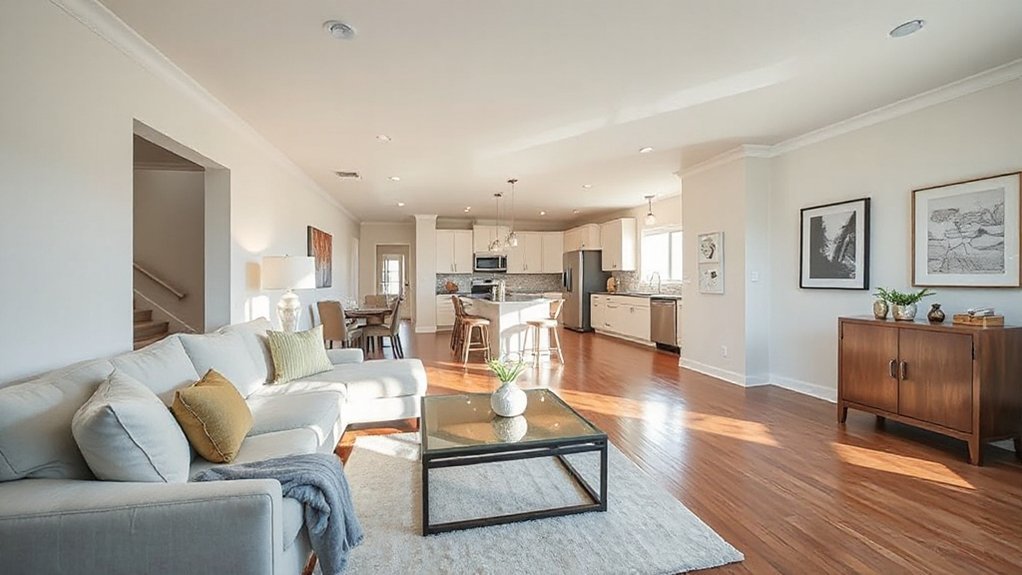
Strong photos and video earn the click, but your listing copy closes the gap between online interest and a scheduled showing.
Lead with buyer-ready upgrades that reduce uncertainty: recent roof, HVAC, windows, permits closed, and receipts available.
Quantify what you can—square footage per public records, lot size, and utility-saving improvements—without exaggeration or unsupported claims.
Use crisp, scannable phrases that match search behavior: “updated kitchen,” “move-in ready,” “low-maintenance garden landscaping,” and “smart home features” like app-controlled thermostat, security, and lighting.
Highlight neighborhood access factually (commute routes, nearby parks) and avoid prohibited or subjective language.
Include practical details that help buyers compare options: parking, storage, HOA terms if applicable, and what conveys.
End with a clear value proposition tied to condition, efficiency, and livability.
Host Showings, Review Offers, Negotiate Confidently
Once your listing starts generating tours, you’ll need a showing plan and an offer-review workflow that protect your timeline, pricing, and legal compliance. Set clear showing windows, require confirmed appointments, and document access instructions to reduce risk. Use Virtual tours to pre-qualify buyers and limit disruption, then schedule open houses strategically to create urgency and comparable traffic.
When offers arrive, compare more than price: financing type, appraisal gap coverage, inspection scope, closing date, contingencies, and proof of funds. Log every offer and counter in writing, follow fair-housing rules, and disclose material facts consistently.
Negotiate with data—recent comps, days on market, and buyer demand—and use counteroffers or addenda to tighten terms. If you accept, sign promptly and circulate executed documents to all parties immediately.
Conclusion
Sell smart, and you won’t just list your home—you’ll launch it like a headline-grabbing product. When you set a clear goal, price to real comps, and tackle repairs, cleaning, and curb appeal, you reduce surprises and protect value. Stage it so buyers can’t unsee themselves living there. Market with pro photos, video, and wide distribution, and write a feature-driven listing. Then run showings, compare offers, and negotiate confidently—because leaving money on the table is practically unforgivable.